Tech
Which Countries Are Banning Social Media for Kids
5 min read
12.04.2026
A country-by-country roundup of proposed and enacted social media age bans, what they cover, and key concerns for families and platforms.
Countries moving to restrict social media access for children and teens
Over the past several months, a growing number of governments have proposed or passed laws to limit minors' access to mainstream social networks. Policymakers cite harms such as cyberbullying, addictive design, mental health problems, and exposure to predators. At the same time, critics warn about privacy, intrusive age checks, and enforcement challenges. Below is an updated country-by-country summary of major developments and what they would mean for young users, families, schools and the tech industry.
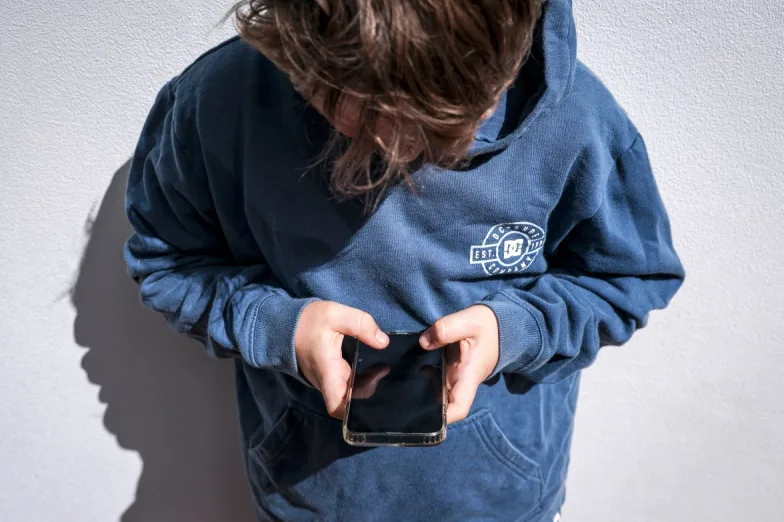
Governments say the rules protect children. Critics say they risk privacy and may not stop determined minors.
Overview: why governments are acting
Officials point to several trends driving action:
- Rising reports of anxiety, depression and sleep disruption linked to heavy social media use.
- Evidence that platforms use features like endless scrolling and personalized feeds that encourage compulsive consumption.
- High rates of cyberbullying, grooming and exposure to harmful content for younger users.
- Calls from parents and educators for clearer protections and age-appropriate design.
Opponents argue that bans could push children to unsafe, unregulated spaces or require intrusive age verification that threatens privacy. Amnesty Tech and other groups question the effectiveness of outright bans and urge focus on safer design and better enforcement of existing laws.
Country-by-country developments
Australia
Australia became the first country to enact a sweeping restriction in December 2025, banning users under 16 from accessing major social platforms. The measure blocks services including Facebook, Instagram, Snapchat, Threads, TikTok, X, YouTube, Reddit, Twitch and Kick. WhatsApp and YouTube Kids were excluded.
Companies must implement multiple age-verification methods; simple self-declared ages are not enough. Regulators warned that noncompliant firms could face fines up to AUD $49.5 million (about USD $34.4 million). The rules aim to force platforms to adopt safer defaults for younger audiences.
Denmark
Denmark plans to ban children under 15 from using social media. In November 2025, the government secured cross-party support in principle. The law could take effect as soon as mid-2026. Denmark is also developing a "digital evidence" app that may provide age verification tools to help enforce the ban.
France
French lawmakers approved a bill in late January to bar kids under 15 from most social platforms. President Emmanuel Macron has framed the measure as protection from excessive screen time and its effects on child development. The bill still needs to pass the Senate before returning to the lower house for final approval.
Germany
Chancellor Friedrich Merz's conservative party has discussed banning users under 16 from social media, according to reporting in early February. However, coalition partners signaled hesitation, and the proposal remains under debate rather than finalized law.
Greece
Greece announced an age-based restriction in April aiming to bar children under 15 from social networks starting January 2027. Officials cited growing anxiety and sleep problems among children and pointed to addictive product design as a key concern.
Indonesia
Indonesia said in March that it will restrict children under 16 from using social platforms and popular online services. Initial targets include YouTube, TikTok, Facebook, Instagram, Threads, X, Bigo Live and Roblox. The government framed the move as protecting minors from harmful content and online exploitation.
Malaysia
Malaysia announced in November 2025 plans to ban social media use for children under 16 and said it intended to implement the rules during 2026. Details on enforcement and verification methods are still emerging.
Slovenia
Slovenia is drafting legislation to prevent children under 15 from accessing social networks where user-generated content is shared, naming platforms such as TikTok, Snapchat and Instagram. The proposal remains at the drafting stage.
Spain
Spain's prime minister said in February that the country will seek a ban for users under 16. The measure requires parliamentary approval. Spain is also pursuing rules that could hold social media executives personally accountable for hate speech and other illegal content on their services.
United Kingdom
The UK is reviewing whether to ban social media for children under 16. The government plans consultations with parents, young people and civil society to weigh the policy's likely effectiveness. Officials will also consider targeted requirements for platforms, such as curbing addictive features like infinite scroll, rather than an outright ban.
Key issues for families, schools and the tech industry
- Age verification: Governments favor robust checks, but privacy experts warn about storing sensitive biometric or identity data.
- Platform responsibility: Laws increasingly push platforms to design with children's safety in mind or face fines.
- Education and parental controls: Many experts call for improved digital literacy and stronger parental controls as complementary measures.
- Gaming news intersection: Rules may affect online gaming communities and services with social features. Games with chat, streaming or user-generated content (e.g., Roblox, Minecraft servers, or live-streaming on Twitch) could face age restrictions or new moderation requirements—an important development for parents and developers to watch.
Conclusion
Countries differ on ages, enforcement methods and which services are covered, but the trend is clear: lawmakers worldwide are increasingly focused on limiting minors' exposure to mainstream social platforms. The debate balances child protection against privacy and practicality concerns. As legislation moves forward, expect continued pushback from civil liberties groups and close attention from tech companies adapting to new regulatory demands.
Note: This story was originally published in February 2026 and is updated regularly as governments announce new measures.
About the reporter
Aisha is a consumer news reporter at TechCrunch. She joined the publication in 2021 after covering telecom at MobileSyrup. She holds an honours bachelor's degree from the University of Toronto and a master's degree in journalism from Western University. Contact: [email protected] or via Signal at aisha_malik.01.
 TGLIST.COM.UA
Comments
No comments
Add Comment