Tech
Lawmakers Propose Data Center Moratorium on 20MW+ Sites
3 min read
29.03.2026
Sen. Sanders and Rep. Ocasio-Cortez seek a pause on data centers above 20MW amid AI safety, labor and environmental concerns.
Senators Seek Pause on Large Data Centers Amid AI Concerns
The surge in new data center projects across the United States has sparked growing public and political concern over the infrastructure that powers artificial intelligence. Two prominent lawmakers are proposing strict limits: a ban on any new data centers with peak power loads above 20 megawatts until Congress adopts comprehensive AI rules.
Who's behind the proposal
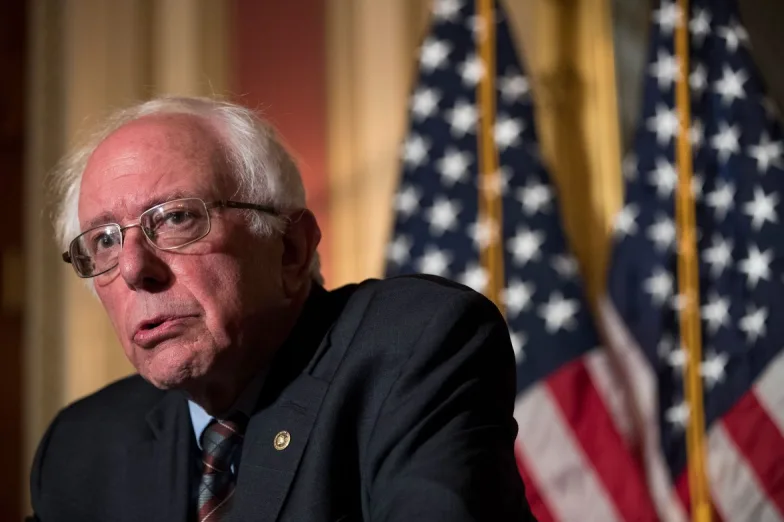
Sen. Bernie Sanders (Vermont) and Rep. Alexandria Ocasio-Cortez (New York) introduced companion bills in the Senate and House that would halt high-power data center construction. The legislation aims to pause projects that significantly increase electricity demand while lawmakers craft broader AI oversight.
Why they want a pause
The sponsors point to warnings from industry leaders and researchers about AI risks. Notable figures who have called for stronger oversight include Elon Musk, Demis Hassabis of Google DeepMind, Dario Amodei of Anthropic, Sam Altman of OpenAI, and AI pioneer Geoffrey Hinton. Advocates say a temporary moratorium will give lawmakers time to address safety, labor, environmental, and economic impacts.
"AI is far more dangerous than nukes. So why do we have no regulatory oversight?" — Elon Musk (as cited by lawmakers)
Key provisions in the bill
The proposed measures go beyond a simple construction pause. Major elements include:
- Requiring federal review and certification of advanced AI models before public release.
- Protections against AI-driven job displacement and support for affected workers.
- Limits on the environmental footprint of data infrastructure, including energy use and emissions.
- Mandates for union labor standards during construction of large facilities.
- Restrictions on exporting advanced chips to countries that lack comparable AI safety rules.
Public opinion and political hurdles
Public sentiment appears wary: a March Pew Research poll found a majority of Americans are more concerned than excited about AI, with only 10% saying excitement outweighs concern. Still, passing such legislation faces steep obstacles. Tech companies spend heavily on lobbying, and fears of falling behind in an AI rivalry with China may make many legislators reluctant to enact firm limits.
Implications for industry and gaming news
Large data centers power a broad range of services, from cloud computing to content delivery and AI training. Any pause or limit on construction could affect multiple industries, including video games. Game developers and publishers rely on large-scale servers for multiplayer worlds, AI-driven game systems, and cloud gaming. Coverage in gaming news will likely track how data center restrictions influence server availability, latency, and the rollout of AI features in games.
What's next
The bill may function as an initial framework for broader AI regulation. If adopted, it would force federal agencies to define safety standards for models, labor, and energy use. Whether Congress will agree on a balanced approach that addresses risks without stifling innovation remains an open question.
About the author
Tim Fernholz is a journalist who covers technology, finance and public policy. He has written about the private space industry and authored Rocket Billionaires. Contact Tim at [email protected] or via Signal at tim_fernholz.21.
 TGLIST.COM.UA
Comments
No comments
Add Comment