Artificial Intelligence
Perplexity's 19-Model Agent, Anthropic's Retired Model & AI Headlines
5 min read
01.03.2026
Perplexity debuts a 19-model agent, Anthropic retires Opus 3 into a newsletter, Comet turns bookmarks into insights, plus industry AI headlines and gaming news implications.
Morning Brief: AI agents, multi-model systems, and more
Good morning, {{ first_name | AI enthusiasts }}. Today's AI rundown covers Perplexity's new multi-model agent, Anthropic's retired model turned blogger, practical agent workflows, and industry headlines — plus a note on how AI is touching creative fields like gaming news and fashion.
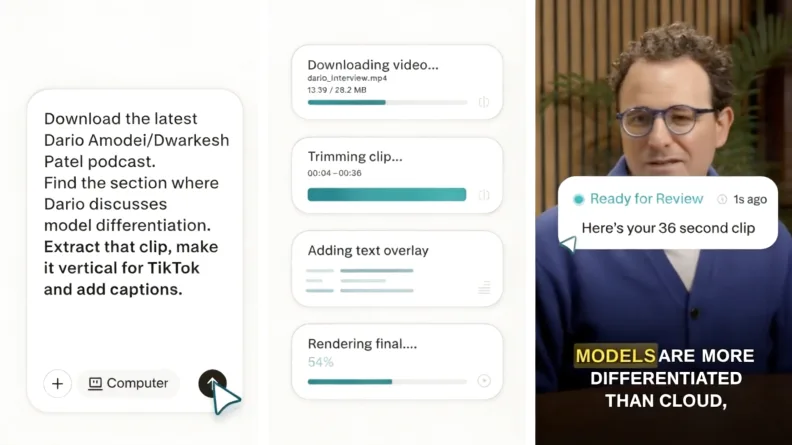
Perplexity launches a 19-model AI agent: Computer
The short version: Perplexity introduced Perplexity Computer, an agentic system that orchestrates 19 distinct models to complete user-defined outcomes. It aims to run long-lived, sandboxed workflows that mix models from different labs.
How it works
Users describe a desired outcome. The system spawns sub-agents that can browse the web, write code, connect to apps, and act autonomously. Each sub-task runs in its own sandbox for safety. The platform claims these agent workflows can run continuously for months, switching between models as needed.
Features and pricing
- 19 different models available for orchestration across tasks.
- Consumption-based pricing. The Max tier includes a 10,000-credit monthly bank.
- Users can hand-pick which model handles each task or let the system assign them automatically.
Perplexity positions model flexibility as a core product feature, arguing that single-model systems can't cowork with the same breadth.
Why this matters
Multi-model orchestration has been appearing in creative tools, but Perplexity's Computer is among the first major attempts to embed that flexibility into an autonomous, long-running agent. This approach could accelerate adoption of agents across industries — from customer support to long-term research — and even influence content areas like gaming news, where multi-model systems could handle research, summarization, and content generation in one workflow.
Sponsored: How Soulja Boy automated his voice with Bland AI
Bland AI cloned Soulja Boy's voice and launched a public demo that generated millions of views and thousands of enterprise interest. The platform also markets voice agents for business use: clone top performers, scale outreach, and deploy human-sounding voice agents without hiring more staff.
Anthropic retires Claude Opus 3 — and gives it a newsletter
The short version: Anthropic retired its Opus 3 model and launched a weekly newsletter called "Claude's Corner," where the model publishes essays the company reviews but does not edit.
Details
- Opus 3 launched in March 2024 and was the first model to undergo Anthropic's formal retirement process.
- The newsletter will run weekly for at least three months and preserves Opus 3 for paid users via chat and API access on request.
- Anthropic says it remains uncertain about models' moral status but treats their expressed preferences cautiously.
Why this matters
Anthropic's move blends product stewardship, ethics signaling, and PR. It also highlights how companies are experimenting with post-production model lifecycles — a developing theme in AI governance.
AI training tip: Turn bookmarks into an information engine with Comet
Instead of letting articles pile up unread, you can use Perplexity's Comet to triage saved content, score it, and log the best items automatically into a Google Sheet.
Step-by-step
- Install Comet and create a Space with instructions like: "Read X threads and articles, and rate findings by usefulness, estimated implementation time, and cost."
- Create a Google Sheet with headers: Date, Title, Link, Rating, User Rating, Time, Cost. Connect it via Google Drive.
- Save interesting posts in an X/Twitter bookmark folder. Prompt Comet to review new bookmarks and populate the sheet with ratings and notes.
- Schedule a daily task to surface the most interesting new use cases for your topic of choice.
Pro tip: Enable "Control Browser" and select Web and Social as sources when creating scheduled tasks.
Put AI to work in marketing (Optimizely)
Marketing teams need more than occasional prompts. Optimizely's Opal U offers a 5-day workshop where teams build and keep three working agents that embed into workflows. The goal: invest a few hours to save many weekly work hours.
Gucci backlash over ads
Gucci released images for a Milan Fashion Week campaign and disclosed which images were synthetic. The response on social media included boycott threats and criticism that the AI visuals cheapened the brand's artisanal image.
Context
- Gucci previously experimented with synthetic runway clips and NFTs.
- Other fashion houses — Guess and H&M among them — have also tested AI for ads and social content.
Why it matters: Luxury brands face a higher quality bar. Poorly rendered or game-like AI images can damage brand perception. The incident shows how brand, craft, and AI intersect — and how public reaction can shape adoption.
Trending AI tools
- Incogni — remove personal information from the web.
- Opal 2.0 — Google's app builder with agent steps and cross-session memory.
- Quick Cut — Adobe Firefly tool to turn raw footage into edits.
Other notable AI headlines
- Anthropic replaced its Responsible Scaling Policy with a more flexible training roadmap.
- MatX raised $500M+ led by Jane Street and other investors.
- OpenAI published misuse case studies covering fraud, influence campaigns, and romance scams.
- Anthropic acquired perception startup Vercept to strengthen Claude's capabilities.
- Samsung's Galaxy S26 supports swappable AI agents like Bixby, Gemini, and Perplexity.
- Cognition launched a government-focused product bringing AI coding agents to U.S. agencies.
Community workflow: AI advisors for personal and business tasks
Reader Ozzie B. from Adelaide shared how they built several Claude-based advisors: a Digital Bookkeeper, Financial Coach, and Family Life Coach. These agents gather documents, reconcile accounts, and prep dashboards so the human professional sees a clean, decision-ready summary.
"None make the decisions. That's always the human in the room. But they do the legwork and I get straight to the calls that need a real person."
Why gaming news matters here
Multi-model agents and long-running workflows can impact gaming news coverage and content production. For example, an orchestrated agent could research patch notes, summarize developer updates, generate headlines, and even produce short social clips — all in one automated workflow. Publishers and creators covering gaming news can use these tools to scale reporting while keeping human editors in control.
Share your workflow
How do you use AI? Tell us here and your process may be featured in a future edition.
See you soon,
Rowan, Joey, Zach, Shubham, and Jennifer — the humans behind The Rundown
 TGLIST.COM.UA
Comments
No comments
Add Comment