Gaming
Sony May Delay PlayStation as AI Drives Memory Shortages
3 min read
22.02.2026
AI-driven memory demand may push Sony's next PlayStation to 2028–2029 and boost console costs, affecting Nintendo and the wider gaming industry.
Sony may delay next PlayStation to 2028–2029 as AI drives memory demand
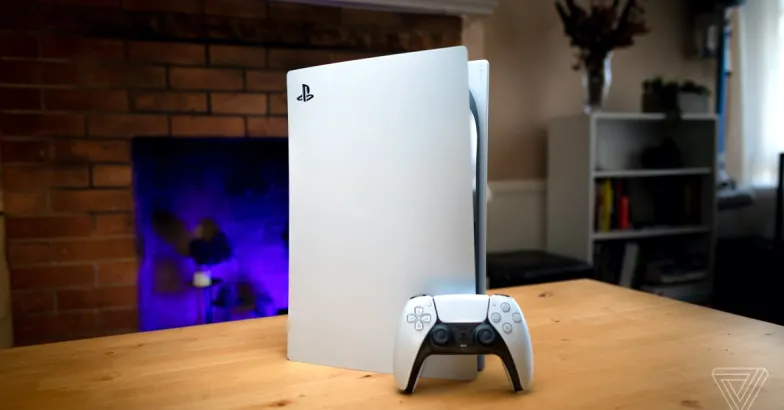
Sony is reportedly considering delaying the launch of its next-generation PlayStation console to 2028 or even 2029. Industry sources told Bloomberg that rising demand for RAM from AI data centers is squeezing memory supplies and pushing up costs. This development is an important item in current gaming news that could reshape console release cycles and pricing expectations.
Why AI memory demand matters
Large-scale AI models require vast amounts of high-performance memory. Data centers and cloud providers are buying more DRAM and high-bandwidth memory (HBM) for training and inference workloads. That increased demand has tightened the supply of memory chips available for consumer electronics, including game consoles.
Manufacturers such as Sony and Nintendo rely on predictable supply and affordable pricing to hit planned launch windows. With chipmakers reallocating capacity toward AI and enterprise customers, console makers face rising component costs and scarcity.
Potential impacts on the PlayStation timeline
- Delayed launch: Sources say Sony could push a new PlayStation release to 2028 or 2029, later than the usual six- to seven-year cycle.
- Longer PS5 lifecycle: The PlayStation 5, released in November 2020, would remain current longer if a successor slips beyond 2027.
- Development adjustments: Game studios and platform partners may shift roadmaps, optimization efforts, and hardware targets if the console's arrival is postponed.
What this means for Nintendo and the Switch 2
Nintendo is also feeling the pressure. The company avoided a price hike for Switch 2 at launch despite tariffs and manufacturing headwinds. Bloomberg reports Nintendo may consider raising the $450 price of the Switch 2 this year, though no specific figure has been offered.
Broader effects on the gaming industry
Memory shortages and higher component costs can ripple across the gaming ecosystem. Possible consequences include:
- Higher retail prices for consoles and high-end accessories.
- Longer gaps between console generations, affecting hardware innovation cycles.
- Greater reliance on cloud gaming and PC platforms if new consoles are delayed.
- Shifts in supply-chain strategies, such as longer-term chip procurement and closer partnerships with memory manufacturers.
Industry sources say AI-driven memory demand is forcing Sony and Nintendo to rethink launch timing and pricing for next-generation consoles.
What to watch next
- Official statements from Sony and Nintendo concerning release dates and pricing.
- Announcements from memory manufacturers about capacity expansions or prioritization.
- Industry reports on DRAM and HBM pricing trends that affect console BOM (bill of materials) costs.
We have reached out to Sony and Nintendo for comment. Follow gaming news updates to stay informed as manufacturers and suppliers respond to shifting memory demand driven by AI workloads.
 TGLIST.COM.UA
Comments
No comments
Add Comment