Gaming
Gorilla Tag's growth as VR faces uncertainty
4 min read
15.02.2026
Gorilla Tag surges with record players and merch as Meta cuts reshape VR. How the game expands into mobile, TV and real-world events.
Gorilla Tag's surge amid a shaky VR industry
This is Lowpass by Janko Roettgers, a weekly newsletter on the evolving intersection of tech and entertainment, syndicated for The Verge subscribers. In recent weeks the VR industry has faced turmoil. Meta announced large layoffs and shifted Reality Labs priorities. Yet one indie hit, Gorilla Tag from Another Axiom, is thriving — and expanding beyond headsets.
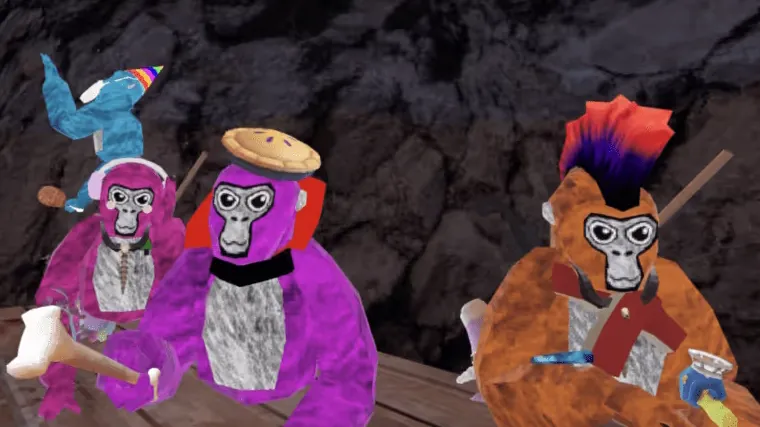
Record engagement and a young audience
Gorilla Tag reached a new concurrent-player peak during its five-year anniversary: 119,000 players joined the in-game event at once. Another Axiom's chief marketing officer Jake Zim says the team believes it set a world record for concurrent VR players (social VR app VRChat earlier reported 150,000 concurrent users, but that figure included non-VR, flat-screen access).
The game routinely attracts up to a million VR users daily. Most players are Gen Alpha. They play chaotic, arm-swinging games of tag in a free-to-play format that consistently puts Gorilla Tag near the top of Meta Quest store charts.
"The fandom is bigger than just VR," Zim says, highlighting wide appeal beyond headsets.
Merch, revenue and cultural reach
Gorilla Tag's characters, known as "monkes," have become a cultural meme. Plush toy runs regularly sell out. Zim estimates total merchandise sales near $10 million. He also says the game's revenue has surpassed the $100 million mark, placing it alongside other breakout VR hits.
Why Another Axiom is moving beyond VR
Given the uncertain future of the VR ecosystem, Another Axiom is diversifying. The company plans a mobile version of Gorilla Tag, a live real-world event called Gorillacon, and even a TV show. Leadership hired Austin Ashcraft, a former Scopely executive, to lead mobile efforts and Michael Vogel, an animation veteran, to help develop visual media.
Zim explains the strategy simply: reach audiences where they already are and convert fandom into sustainable revenue across platforms.
Broader VR industry context
Meta's changing strategy
Meta invested heavily in gaming, fitness, and social VR to push headsets mainstream. The company sold millions of devices, and titles like Beat Saber generated hundreds of millions in revenue. But Meta's Horizon Worlds didn't meet expectations, and several in-house VR studios closed. Meta shifted Reality Labs spending toward AR and wearables, delayed a lightweight video-focused headset, and canceled some third-party headsets.
Meta CTO Andrew Bosworth told reporters growth has been "less quick than we had hoped," and the company is redirecting development resources from Horizon Worlds to mobile gaming.
What this means for developers
- Indie and third-party apps may gain space as Meta pulls back from subsidized, internal projects.
- Lack of large platform subsidies could trigger talent departures and slow headset adoption.
- Developers must consider multi-platform strategies to reach non-VR audiences and build resilient businesses.
Another Axiom's outlook and new business models
Zim calls 2026 "a bridge year": a period to survive and to learn how to speak directly to audiences across platforms. The company is experimenting with subscriptions for superfans and producing in-house YouTube shows that have garnered tens of millions of views.
Plans include:
- A mobile adaptation of Gorilla Tag to reach players without headsets.
- A TV show and additional animated content leveraging the IP.
- Real-world fan events like Gorillacon to strengthen community ties.
- Subscription offerings and continued merchandise sales to diversify revenue.
Bottom line for gaming news followers
Gorilla Tag's growth shows that innovative, free-to-play social experiences can thrive even as big-platform strategies shift. For readers of gaming news, the story highlights how indie hits can expand into media and events, and why developers should plan for cross-platform ecosystems rather than rely on a single headset market.
As Zim puts it: "It's not just about surviving, but figuring out how to speak directly to your audience, and put your audience into places that make sense for a business."
Follow topics and authors from this story to see more like this in your personalized homepage feed and to receive email updates.
Janko Roettgers
 TGLIST.COM.UA
Comments
No comments
Add Comment