Tech
Veritas: NFC Chip to Fight Luxury Counterfeits
4 min read
15.02.2026
Veritas combines tamper-resistant NFC chips and backend software to authenticate luxury goods and curb counterfeit resales.
Veritas tackles counterfeits with a hardware-software anti-fraud system
The global counterfeit problem cuts both ways: luxury brands lose an estimated $30+ billion annually to fake goods, while buyers in the booming $210 billion second-hand market lack reliable ways to verify authenticity. Veritas, a new startup, aims to solve both problems with a combined custom hardware and software approach.
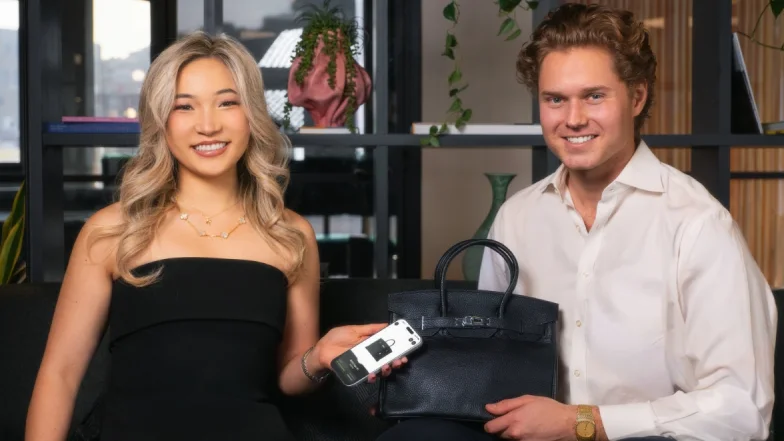
What Veritas built
Veritas says it developed a tamper-resistant chip paired with digital certificates to prove an item is genuine. The company claims the chip is "hack-proof" against widely available tools such as Flipper Zero, which hobbyists and bad actors use to probe or spoof wireless systems.
The physical chip is about the size of a small gem and can be integrated during production or added afterward with minimal disruption. It uses NFC (Near Field Communication) so consumers can tap their smartphones to check authenticity. On the backend, product records link to each chip and a monitoring system tracks scan behavior to spot suspicious activity.
Security design and features
- Custom coil and bridge structure: Designed to cause the chip to go dormant if tampering is detected, hiding product codes.
- Digital certificates: Each chip pairs with a unique certificate stored in Veritas's backend to confirm provenance.
- Behavior monitoring: The backend flags abnormal scanning patterns to prevent fraud and cloning attempts.
- Optional blockchain clone: Veritas can mint a blockchain-backed digital twin for applications like virtual galleries or metaverse showcases.
"Some shelf solutions, like NFC chips brands currently use, are vulnerable and easily bypassed. We want to educate the ecosystem to adopt safer solutions." — Luci Holland, Veritas founder
Founding story and team
Founder Luci Holland brings an unusual mix of technology and art experience. She's worked as a technical product manager at Tesla and has created mixed-media paintings and metal sculptures. That background influenced Veritas's design-forward hardware.
Holland said she spoke with established maisons (traditional luxury fashion houses) that had to stop authenticating goods at some locations because counterfeiters were producing convincing "superfakes," including forged certificates and replicated marks. That gap inspired her to combine hardware and software to give brands stronger, design-conscious protection.
How brands and customers use Veritas
Brands using Veritas get a software suite to manage chipped items and the associated data. Features include:
- Item-level provenance and product storytelling
- Team access controls for authentication and inventory
- Customer engagement tools like exclusive invitations or early access tied to ownership
For consumers, the NFC tap gives instant verification and can link to product history, servicing information, or community perks.
Funding, partners and market education
Veritas raised $1.75 million in pre-seed funding led by Seven Seven Six, with participation from investors including DoorDash co-founder Stanley Tang, Reys co-founder Gloria Zhu, and former TechCrunch editor Josh Constine. The company plans to use the funds to grow its two-person team.
Investors such as Alexis Ohanian praised Holland's blend of design taste and tech skill. He framed the effort as part of an "arms race" against counterfeiters, noting brands need stronger technical defenses.
Why this matters now
The luxury resale and second-hand markets are expanding rapidly. As more high-value items change hands, reliable authentication becomes critical for preserving brand value and customer trust. Existing low-cost NFC solutions can be circumvented, creating demand for higher-assurance technologies that protect both designers and buyers.
Veritas aims not only to provide a technical barrier but also to educate the fashion and resale ecosystems about the risks of weak authentication and the benefits of integrated hardware-software protection.
Context & relevance
This development will be of interest across consumer tech and retail spaces, and even intersects with gaming news when luxury brands explore metaverse experiences or digital collectibles linked to physical items. Digital twins and blockchain-backed provenance are examples of where fashion, tech, and virtual worlds meet.
About the source
The reporting was originally published by TechCrunch. Ivan Mehta, who covers global consumer tech developments, contributed to the coverage.
Image credit: Veritas
 TGLIST.COM.UA
Comments
No comments
Add Comment