Gaming
Romeo Is a Dead Man — Grasshopper's bold new action
4 min read
15.02.2026
Explore Grasshopper's bizarre new action game Romeo Is a Dead Man: mixed-media storytelling, surreal set pieces and what it means for the studio.
Grasshopper Manufacture's wild DNA: An overview
Grasshopper Manufacture, the Japanese studio founded in 1998 by Goichi "Suda51" Suda, has built a reputation for eccentric, B-movie–style games. Their catalog mixes surreal premises, bold visual design, rock-tinged soundtracks and over-the-top violence. These games often split critics but win dedicated fans for their originality and unmistakable style.
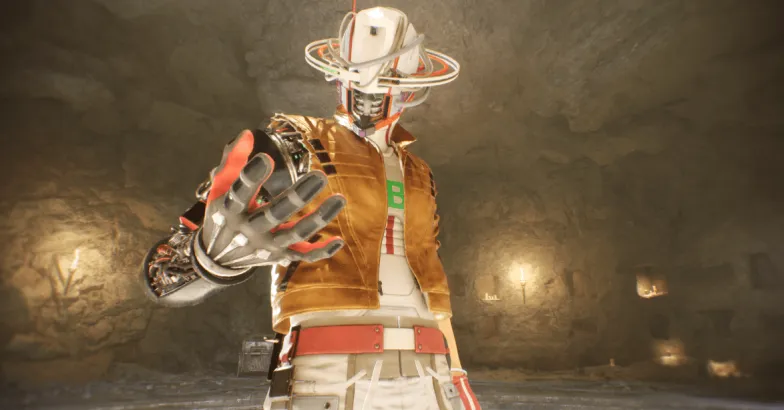
What makes a Grasshopper game?
Several elements recur across the studio's output:
- Absurd, provocative premises (from cheerleaders with chainsaws to otaku-turned-assassins).
- Strong pop culture references and self-referential humor.
- Mixed-media presentation: pixel art, live action, anime influences and handcrafted dioramas.
- Prioritization of aesthetics and bold ideas over conventional design polish.
Romeo Is a Dead Man: synopsis and standout features
Romeo Is a Dead Man is an action game that crystallizes Grasshopper's approach. You play Romeo Stargazer, a sheriff's deputy who dies and is resurrected by a futuristic implant, becoming a "Dead Man" — half dead, half alive. Recruited as an FBI Space-Time special agent, Romeo's mission is to track down his girlfriend, Juliet, who manifests as destructive entities across multiple timelines.
Key story beats and tone
- Romeo is rescued by his future-traveling grandfather, who joins him as a living jacket patch.
- Early antagonist forms include surreal, grotesque figures such as a colossal beheaded body nicknamed "Everyday Is Like Monday."
- The narrative blends sci-fi, dark comedy and pop-culture pastiche — expect references to Back to the Future, Star Wars, Twin Peaks and more.
"Romeo Is a Dead Man is painstakingly self-referential, with constant nods to past Grasshopper titles and wider pop culture."
Presentation and mixed media
The game tells its story through a mix of handmade dioramas, comic-style panels, anime sequences, live-action clips and retro pixel art. This collage-like presentation keeps the experience fresh and surprising. While not revolutionizing animation the way some blockbuster films have, it works as a loving homage to a range of visual traditions.
Gameplay: strengths and weaknesses
Romeo Is a Dead Man shines in creativity and aesthetic variety, but it has trade-offs:
- Strengths: inventive visual design, quirky enemy concepts, memorable set pieces and genre-bending moments.
- Weaknesses: combat can feel shallow and button-mashy; level design sometimes disrupts pacing with repetitive backtracking through maze-like cyberspaces.
Studio background and business context
Grasshopper has a history of alternating between small-team indie sensibilities and collaborations with major publishers. Early partnerships included Bandai Namco and Capcom (Killer7). A high-profile collaboration with Electronic Arts on Shadows of the Damned involved creative friction and several development drafts, illustrating the challenges of balancing Suda51's vision with corporate oversight.
In 2021 NetEase acquired Grasshopper, following a period under GungHo Online Entertainment. Despite parent-company backing, Grasshopper chose to self-publish Romeo Is a Dead Man to maintain creative control and release the game "on our own terms," according to Suda in an interview with VGC. That said, corporate restructuring and reports of overseas divestment pose ongoing uncertainties for the studio's future.
How Romeo fits into Grasshopper's legacy
Like many Grasshopper games, Romeo Is a Dead Man is imperfect but unmistakable. It leans into the studio's core values — taking risks, embracing the weird and privileging creative identity over commercial formula. For fans of the studio and players who follow gaming news for unusual, auteur-driven projects, Romeo offers a concentrated dose of what makes Grasshopper unique.
Availability
Romeo Is a Dead Man is available on PS5, Xbox Series X/S and PC via Steam.
Final take
Romeo Is a Dead Man won't be for everyone. Critics may flag rough edges in combat and level flow. But as a showcase of three decades of Grasshopper's quirky, daring design choices, it stands as a vivid, unforgettable entry in the studio's catalog — one that keeps the company relevant in gaming news and among players who value bold creative vision.
By Diego Nicolás Argüello
 TGLIST.COM.UA
Comments
No comments
Add Comment