Tech
Lotus Health AI: Free AI-Driven Primary Care
4 min read
08.02.2026
Lotus Health AI offers free, 24/7 primary care in 50 languages using AI plus physician sign-off, backed by a $35M Series A round.
Lotus Health AI launches free AI-driven primary care across 50 states
More people are turning to OpenAI's ChatGPT and other large language models for health advice. Many find these chatbots offer useful medical insights. Lotus Health AI aims to move beyond casual chats and provide real medical care using AI as the primary triage and diagnostic engine.
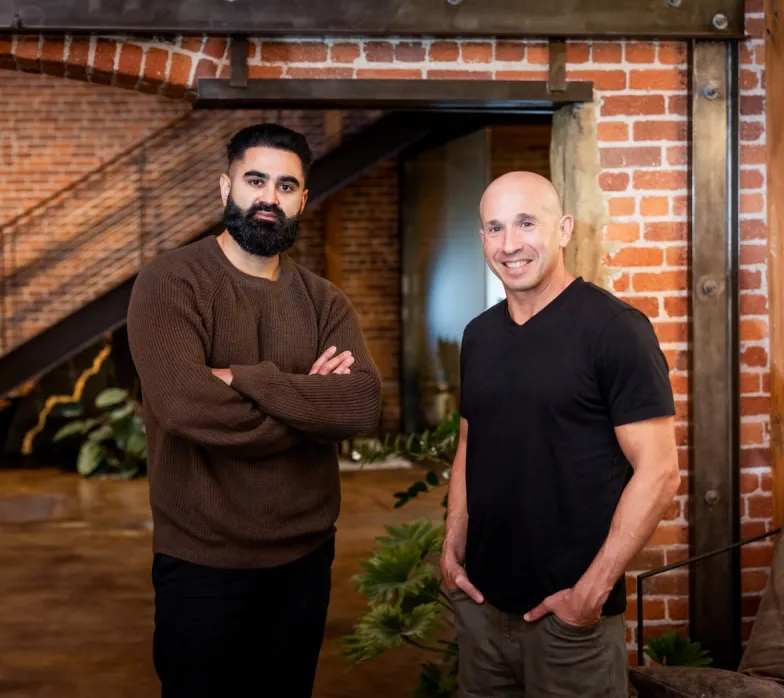
Founder and mission
KJ Dhaliwal, who sold the South Asian dating app Dil Mil for $50 million in 2019, founded Lotus after years of witnessing U.S. healthcare inefficiencies. As a child, he often acted as a medical translator for his parents. He views recent advances in AI as an opportunity to fix gaps in access and efficiency.
"AI is giving the advice, but the real doctors are actually signing off on it," Dhaliwal told TechCrunch.
What Lotus offers
Launched in May 2024, Lotus provides a free primary care service that is available 24/7 in 50 languages. The service claims to handle diagnosis, prescriptions, lab orders, and specialist referrals — effectively functioning like a licensed medical practice.
- 24/7 availability in 50 languages
- Licensed to operate in all 50 U.S. states
- HIPAA-compliant systems and malpractice insurance
- Board-certified physicians review final diagnoses, prescriptions, and lab orders
Unlike conversational AI that only provides general guidance, Lotus integrates patient history, current symptoms, and evidence-based research to generate treatment plans. The company's model synthesizes the latest clinical literature with a patient's records to propose care pathways similar to systems like OpenEvidence.
Human oversight and safety
AI models can make errors or "hallucinate." To reduce risk, Lotus always has board-certified doctors from institutions such as Stanford, Harvard, and UCSF sign off on final medical decisions. For urgent issues or cases requiring a physical exam, Lotus directs patients to urgent care, the emergency room, or refers them to in-person physicians.
Funding and growth
On Tuesday, Lotus announced it raised $35 million in a Series A round co-led by CRV and Kleiner Perkins, bringing total funding to $41 million. CRV general partner Saar Gur, who joined Lotus' board, said the company is taking a big swing to reimagine primary care using telemedicine frameworks established during the pandemic combined with modern AI advances.
Scale, competition, and business model
Lotus claims it can see up to 10 times as many patients as a traditional practice, with visits limited to 15 minutes. That claim hinges on AI handling the bulk of questioning and draft decision-making.
- Competitors: Doctoronic and other startups building AI-driven clinical tools.
- Differentiator: Lotus currently offers completely free care to attract users and accelerate product development.
- Potential monetization: Sponsored content, subscription tiers, or partnerships once product-market fit and safety validations are complete.
Outsourcing much of medical decision-making to AI is ambitious and raises regulatory and operational challenges. For example, physicians must be licensed in the states where patients receive care. Still, investors like Gur believe existing telemedicine rules and recent AI breakthroughs make Lotus' approach feasible.
Limitations and responsible use
Lotus recognizes its limits. It does not replace emergency care and actively routes urgent or complex cases to in-person services. The company emphasizes that AI proposes recommendations while licensed clinicians provide clinical authorization.
Why this matters
With primary care shortages and long wait times, AI-assisted clinics could expand access and reduce costs. Lotus' model — AI-driven workflows plus clinician oversight — aims to increase throughput while maintaining safety. As the technology and regulations evolve, such hybrid models may reshape how patients receive routine care.
Note: This story includes funding and company details relevant to healthcare and broader tech reporting, alongside the growing interest in AI across sectors including gaming news, where conversational AI and large models are also influencing user experiences and content generation.
About the reporter
Marina Temkin is a venture capital and startups reporter at TechCrunch. Before TechCrunch, she covered VC for PitchBook and Venture Capital Journal and worked as a financial analyst. Contact: [email protected] or via Signal at +1 347-683-3909.
 TGLIST.COM.UA
Comments
No comments
Add Comment