Gaming
How the Switch Transformed Nintendo
4 min read
08.02.2026
How the Switch reshaped Nintendo into a resilient entertainment company beyond gaming news and consoles.
Nintendo's Transformation: From Console Maker to Entertainment Powerhouse
Nintendo has experienced dramatic highs and lows across its decades in the video game industry. The company popularized home consoles with the NES, introduced motion-controlled gaming to new audiences via the Wii, and brought touchscreens to the mainstream with the Nintendo DS. Those successes were sometimes followed by missteps: the Wii sold roughly 100 million units, while its successor, the Wii U, struggled to reach a quarter of that total.
The Switch Era: A More Resilient Nintendo
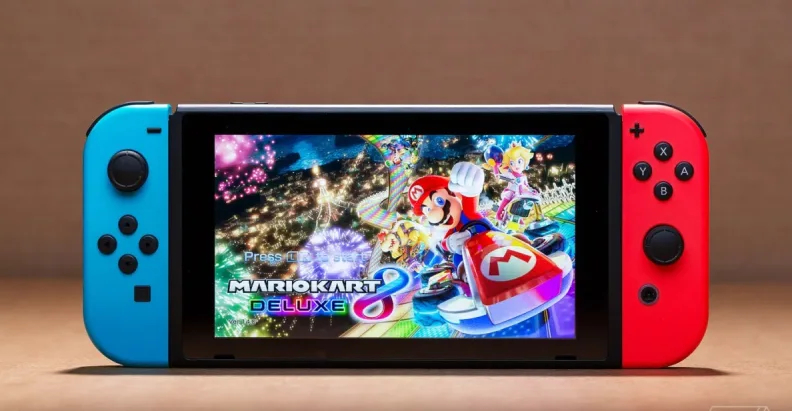
The Nintendo Switch changed that story. Since its 2017 debut, the Switch has become Nintendo's best-selling console ever, surpassing the DS with about 155 million units sold. That success helped insulate Nintendo against the volatile trends of the games industry and set the company on a steadier path.
Internal Changes that Boosted Game Output
One major factor behind the Switch's success was organizational reform. In 2013 Nintendo merged its two main development divisions—previously split between home console and handheld teams—into a unified structure. That made strategic sense for a hybrid system like the Switch, and it let Nintendo focus its creative resources on a single platform.
The results were tangible. With the full weight of Nintendo's internal teams behind the Switch, the company released a string of blockbuster titles that each sold tens of millions of copies:
- Mario Kart 8 Deluxe
- Animal Crossing: New Horizons
- Super Smash Bros. Ultimate
- The Legend of Zelda: Breath of the Wild
- Super Mario Odyssey
That consolidated development model also ensured a steady cadence of major releases through the Switch's lifespan. Even as Nintendo prepared for its next console, the company continued shipping new Zelda and Mario titles in the system's later years.
Seamless Transition to the Switch 2
The unified structure helped Nintendo smoothly transition to the Switch 2. The new console enjoyed a fast launch and arrived alongside a brand-new Mario Kart title. Follow-up blockbusters included entries for Donkey Kong and Metroid, showing Nintendo's ability to maintain momentum between console generations.
Expanding Beyond Games
Nintendo has used Switch success to grow beyond software and hardware. Recent moves show the company positioning itself as a broader entertainment brand:
- The Super Mario Bros. Movie (2023) earned more than $1 billion at the box office and spawned plans for a sequel and a live-action Zelda film.
- Nintendo opened its first Super Nintendo World theme park in Japan in 2021 and expanded to Hollywood and Florida, with Singapore planned next.
- The company launched a dedicated museum in 2024, showcasing its history and cultural impact.
These efforts put Nintendo in competition with entertainment giants like Disney and streaming platforms as well as traditional rivals Xbox and PlayStation. "I think people view Nintendo as a gaming company," said Shinya Takahashi, Nintendo's senior managing executive officer, in 2023. "But we have always thought of ourselves as an entertainment company."
"Nintendo has used the Switch's success to steadily build itself into a broader entertainment company."
Why This Strategy Matters
Many game companies now try to expand into film, TV, and theme parks after seeing successful adaptations such as The Last of Us or Fallout. What sets Nintendo apart is how deliberately it leveraged a hardware hit to invest across multiple entertainment channels. The company learned from past missteps—like its uneven mobile efforts—and used the Switch era to pursue broader, better-funded ventures.
That confidence is visible in unexpected places: Nintendo even announced a $100 re-creation of the Virtual Boy, a revival of one of its most notorious failures. The message is clear: Nintendo is willing to take calculated risks under a larger, more secure umbrella.
Outlook: Momentum, but Not Guarantees
The Nintendo of 2017—when the Switch launched—is different from the company today. Its footing is firmer and its ambitions are wider. But success is not guaranteed. The Switch 2 faces market pressures outside Nintendo's control, including rising hardware costs and shifting consumer expectations.
That said, the new console doesn't need to replicate the Switch's record sales to succeed. Its primary role is to keep Nintendo's momentum going—supporting first-party game releases, sustaining cross-media projects, and reinforcing the company's position in gaming news and entertainment coverage.
Key Takeaways
- Organizational unity fueled a strong pipeline of hit games on Switch.
- Switch success enabled Nintendo to expand into movies, theme parks, and museums.
- Nintendo now competes with traditional entertainment companies as well as console rivals.
- The Switch 2 must maintain momentum, not necessarily match past sales figures.
Follow gaming news and Nintendo updates to track how the company balances console strategy with its broader entertainment ambitions.
Original reporting by Andrew Webster.
 TGLIST.COM.UA
Comments
No comments
Add Comment