Gaming
GameStop plans major U.S. store closures
3 min read
18.01.2026
GameStop plans hundreds of U.S. store closures in 2025 as it cuts costs and winds down international operations amid market-value pressure.
GameStop plans large wave of store closures as it pursues cost cuts
GameStop is planning a significant reduction in its U.S. retail footprint as the company pursues cost cuts to help reach aggressive financial targets. The move comes amid broader restructuring that has already included exiting multiple international markets.
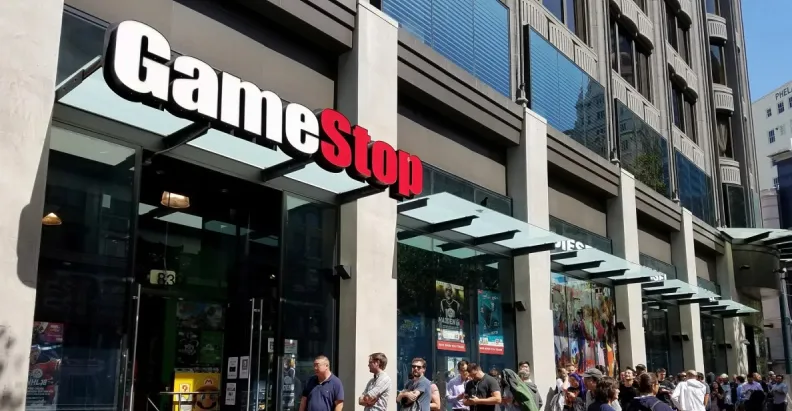
How many stores are closing?
According to a public tracking blog, as of Sunday, January 11th, GameStop had planned or completed closures for 435 stores across 42 states. In fiscal 2024 the company closed 590 locations, and a recent SEC filing says it expects to close "a significant number of additional stores in fiscal 2025." With the fiscal year ending January 31, the company appears to be accelerating closures.
By February 2025 GameStop was operating 2,325 U.S. stores; the additional planned closures represent a sizeable reduction in its domestic retail presence.
Why is GameStop closing stores?
Cost cutting is a key driver. The company faces pressure to boost its market value. Reports indicate CEO Ryan Cohen could receive as much as $35 billion in stock options if GameStop reaches a $100 billion market capitalization. Reducing operating expenses by shuttering underperforming locations is one way management can try to move the needle.
GameStop closed 590 stores in fiscal 2024 and plans "a significant number of additional stores in fiscal 2025," according to an SEC filing.
International wind-down
GameStop has also scaled back internationally. The company has already exited Canada, Germany, Austria, Ireland, Switzerland and Italy. Management has indicated plans to exit France within the next 12 months. These moves suggest a focus on consolidating core markets while reducing overhead abroad.
Impact on employees and communities
The planned closures will affect thousands of employees and local communities that rely on GameStop retail locations. Store employees face job loss or relocation options, depending on corporate offers and local market opportunities. Smaller towns that host single-location stores may lose a primary gaming retailer in their area.
- Employees: potential layoffs or transfers
- Shoppers: fewer in-person locations for new and used games, consoles, and accessories
- Local economies: reduced foot traffic for nearby businesses
Where this fits in gaming news
This restructuring is a major story in gaming news because GameStop remains one of the most visible retail brands tied to the physical games market. Its shift toward fewer stores echoes wider retail trends and the gaming industry's gradual move to digital distribution, though many players still value in-person purchases and trade-ins.
What the company says
GameStop did not respond to a request for comment. The company's SEC filing provides the most direct confirmation of planned closures and the intent to reduce costs during fiscal 2025.
Takeaway
GameStop's aggressive store closure plan reflects a broader strategy to cut costs and refocus operations amid pressure to increase market value. The changes will reshape the company's retail footprint and have tangible consequences for workers and shoppers across the U.S.
Terrence O'Brien is The Verge's weekend editor and has over 18 years of experience, including 10 years as managing editor at Engadget.
 TGLIST.COM.UA
Comments
No comments
Add Comment