 TGLIST.COM.UA
Generative AI-driven Robotic Assembly Enables Anyone to Design Furniture
The generative AI-driven system described here lets non-experts design and build common objects like furniture simply by describing them with words.
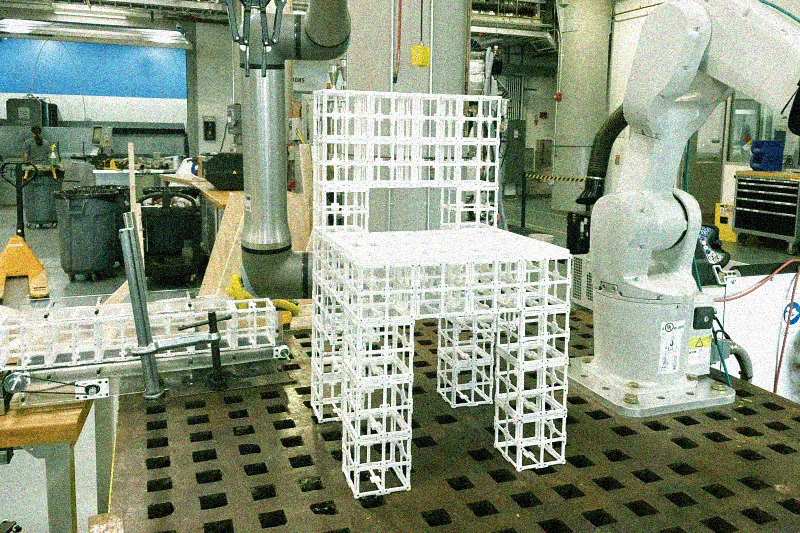
How the System Works
End-to-end flow
- User prompts the system with a natural-language description of the object (for example, "a small chair with a low backrest and wide seat").
- A generative AI model builds a 3D representation from the prompt, capturing geometry and functional intent.
- A second model assigns prefabricated components to locations in the 3D model, considering function and geometry.
- Robotic assembly fabricates the object from those prefabricated parts.
- User inspects and provides feedback; the system iterates the design and updates the assembly plan.
Key components
- Generative 3D model: translates natural language into a 3D form for rapid prototyping.
- Component-placement model: reasons about function and geometry to place prefabricated parts.
- Robotic assembler: constructs the physical object from reusable parts.
- Human-in-the-loop feedback: lets users refine prompts and drive quick iterations.
Why This Matters
- Accessibility: Removes steep CAD learning curves; people design with plain language.
- Speed: Enables fast brainstorming and rapid prototyping compared with manual CAD workflows.
- Sustainability: Uses disassemblable components to minimize waste and enable reuse.
- Local fabrication: Potential to reduce dependence on shipped products by producing items locally.
Demonstrated Results
Researchers tested the approach by fabricating furniture such as chairs and shelves. Components were designed to disassemble and reassemble, which reduces waste and supports iterative design.
Comments(1 comment)
Add Comment