 TGLIST.COM.UA
iPad Pro M4 vs M5 Review: 20 Key Differences
The new iPad Pro from Apple has arrived nearly 18 months after the release of the previous model with the M4 chip. This model has raised many questions about how different it is and whether it is worth upgrading. Last year's iPad Pro received significant updates, including a thinner design, nano-texture options, OLED displays, a landscape-mode front camera, and a new Magic Keyboard with an aluminum casing, function keys, and a haptic feedback trackpad.
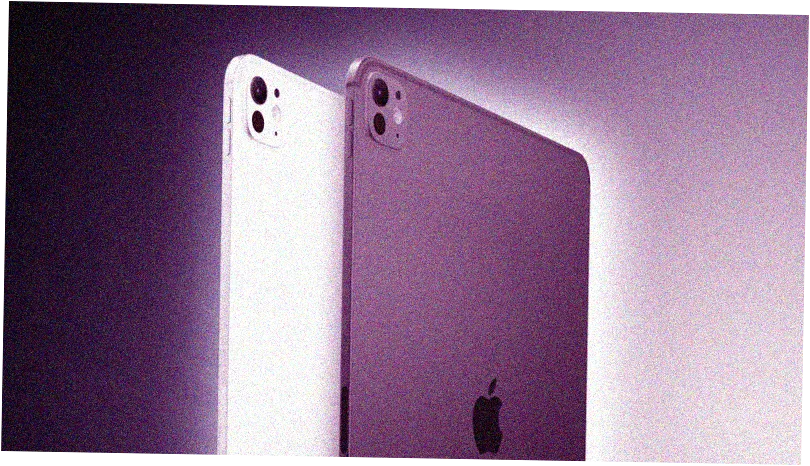
However, considering the major changes from last year, the new iPad Pro with the M5 chip is a more iterative update, primarily focused on enhancing performance and improving connectivity. Here are the main differences between the models:
| Feature | M4 iPad Pro (2024) | M5 iPad Pro (2025) |
|---|---|---|
| Chip | Broadcom Wi-Fi and Bluetooth, Qualcomm Snapdragon 5G modem (only for cellular models) | N1 chip, Bluetooth 6, Wi-Fi 7, Tensor API for neural accelerators |
| SSD Speed | Up to 2 times faster | Double speed |
| Memory | 256GB and 512GB — 8GB RAM; 1TB and 2TB — 16GB RAM | 256GB and 512GB — 12GB RAM; 1TB and 2TB — 16GB RAM |
| Display Brightness | Minimum 2-4 nits | Minimum 1 nit |
| External Display Support | Up to 60 Hz | Up to 120 Hz, with Adaptive Sync support |
| Charging | Fast charging capability (up to 50% in 30 minutes) | Double charging speed, support for new standards |
According to Apple, the M5 chip significantly boosts performance: up to 15% faster in multi-threaded tasks, 30% in graphics, and 45% in ray tracing. It also shows substantial improvements in AI software applications: 4 times peak GPU performance for AI, 3.6 times processing speed for LLM, 1.8 times processing speed for Topaz Video Enhance AI, 1.7 times ray tracing in Blender, and 2.9 times improvement in AI voiceover in Premiere Pro.
Comments
No comments
Add Comment