It becomes stronger and loses its "typical" aftertaste. Adaptation will be necessary.
It is commonly believed that different soil and geographical conditions affect the taste of wine. Enthusiasts of this beverage even have a well-established flavor map by regions. However, global warming may change the familiar standards, notes culinary historian Gabriella M. Petryk, an associate professor in the history of science department at the University of New Haven.
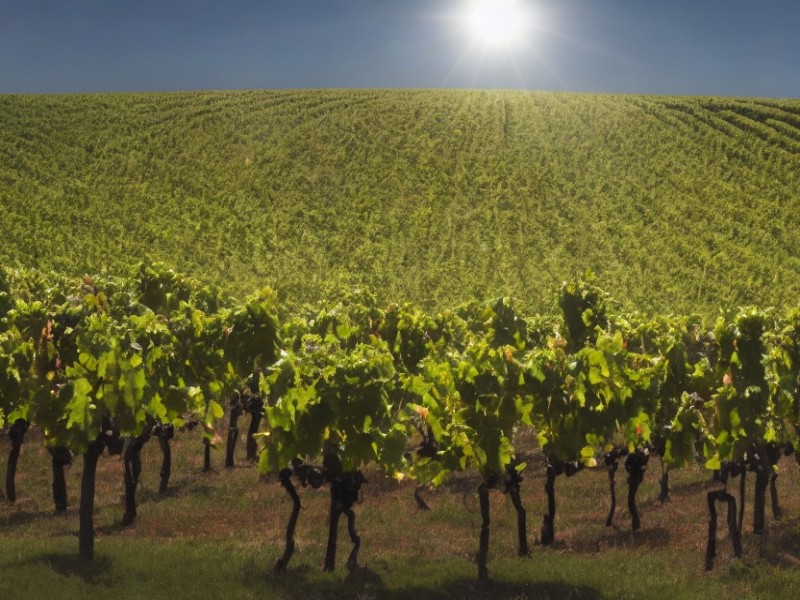
Article image generated by artificial intelligence
In her new study for the University of Stavanger in Norway, she notes that climate change affects the taste of all types of wine - from red Bordeaux in France to light whites common in northern Italy. As a result, the cultivation of certain grape varieties is already shifting northward - to Great Britain and Germany.
Petryk believes that the taste of wine has evolved much longer than previously thought. However, winemakers are only now beginning to adapt to the new realities.
For example, France has allowed the use of six new grape varieties - four red and two white - with increased acidity for blending in Bordeaux wines. The old varieties no longer provide French wines with the "typical" aftertaste. Due to warming, they have become too sugary and lack acidity.
Moreover, the cultivation of Pinot Noir, another traditional French variety, is gradually moving closer to Germany as temperatures rise. This is also one way to maintain the traditional balance of sugar and acidity.
In the future, producers may need to employ a range of other strategies to maintain the "typical" flavor characteristics of their region or adapt to grape cultivation in other countries, concludes Petryk.
We and selected third parties use cookies or similar technologies for technical purposes and, with your consent, for other purposes (“basic interactions & functionalities” and “measurement”) as specified in the Cookie policy.
You can freely give, deny, or withdraw your consent at any time.
You can consent to the use of such technologies by using the “Accept” button. By closing this notice, you continue without accepting.
 TGLIST.COM.UA

Comments
No comments
Add Comment