Their merger may explain the origin of ultra-bright galaxies.
The Hubble Space Telescope has captured a new image showing the close approach of three galaxies in the constellation Boötes. Their trajectory will inevitably lead to a collision and merger, reports Space. While such events occur quite frequently, this case is rare as each of the three galaxies is currently in the process of birthing new stars.
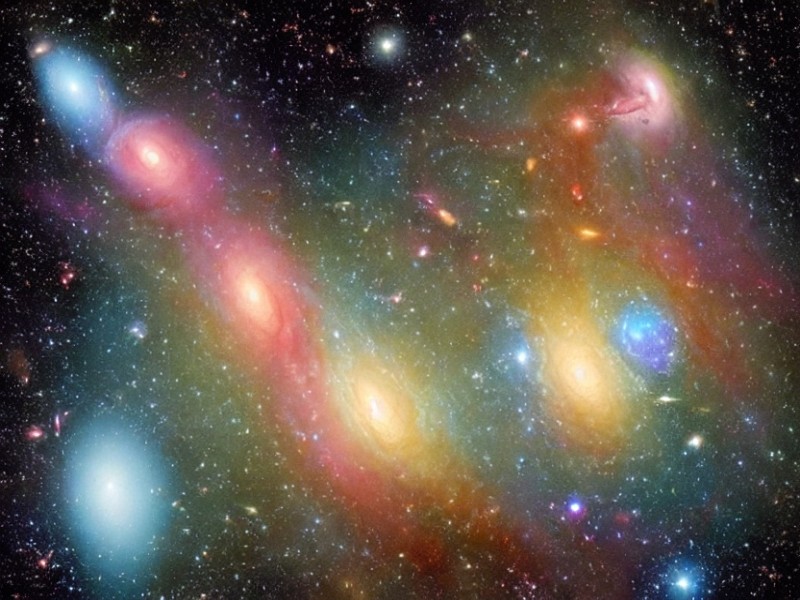
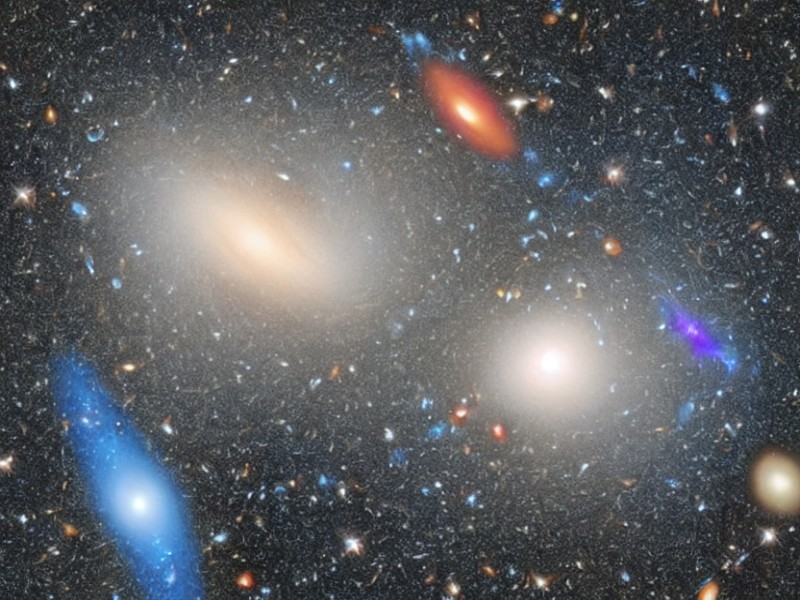
Article image generated by artificial intelligence
The galaxies are located just 50,000 light-years apart. Although this may seem like a vast distance, from a cosmic perspective, it is very close. For comparison: Andromeda, the nearest galaxy to the Milky Way, is over 2.4-2.7 million light-years away (their merger is predicted to occur in about 4 billion years).
The shapes of all three galaxies are already distorted, with threads of gas and dust connecting them, and they emit a significant amount of light—everything points to an impending collision, scientists say.
This image from the Hubble Space Telescope is part of a study on the origins of the largest and most massive stellar systems in the universe, which astronomers refer to as "brightest cluster galaxies" (BCG). The merger SDSSCGB 10189 may lead to the birth of one of them. Scientists hope this will shed light on the mystery of their formation.
We and selected third parties use cookies or similar technologies for technical purposes and, with your consent, for other purposes (“basic interactions & functionalities” and “measurement”) as specified in the Cookie policy.
You can freely give, deny, or withdraw your consent at any time.
You can consent to the use of such technologies by using the “Accept” button. By closing this notice, you continue without accepting.
 TGLIST.COM.UA
Comments
No comments
Add Comment