To maintain health while also reducing the environmental impact, it is not necessary to completely eliminate meat. Scientists from the Technical University of Denmark calculated the optimal amount - 255 grams of chicken or pork per week. This amount allows for a balance between health benefits and minimal harm to the planet.
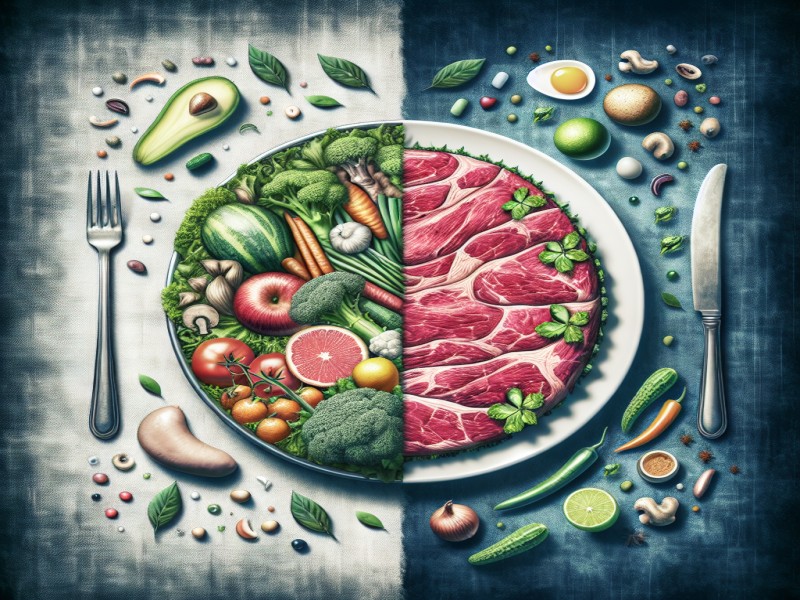
Article image generated by artificial intelligence
255 grams of chicken is approximately two chicken breasts. However, for most residents of Europe and the USA, such a diet would require significant changes: according to data from 2021, they consumed 6-10 times more meat. At the same time, beef and lamb, as researchers found, do not fit within the framework of sustainable nutrition due to high levels of greenhouse gas emissions and significant harm to ecosystems.
The scientists conducted a comprehensive analysis to combine two approaches: they considered 32 key criteria for healthy eating and a number of ecological constraints related to sustainable resource use. Based on this data, a model was developed to determine safe weekly consumption of various products.
The good news is that a complete elimination of animal products is not necessary. Reasonable portions of cheese, fish, eggs, chicken, and pork are quite acceptable - as long as the rest of the diet remains balanced and does not overload ecological systems.
However, the authors emphasize: the model is more oriented towards high-income countries and does not encompass the diversity of cultural and social factors in nutrition. Furthermore, the ecological impact of products may change over time - depending on technologies and production methods.
For the recommendations to be truly universal, it is essential to consider product availability, living standards, and dietary traditions. But even now, the research provides a clear guideline: it is possible to eat meat and remain healthy - the key is moderation and a careful approach to the planet's resources.
We and selected third parties use cookies or similar technologies for technical purposes and, with your consent, for other purposes (“basic interactions & functionalities” and “measurement”) as specified in the Cookie policy.
You can freely give, deny, or withdraw your consent at any time.
You can consent to the use of such technologies by using the “Accept” button. By closing this notice, you continue without accepting.
 TGLIST.COM.UA
Comments
No comments
Add Comment