Furthermore, such patients face more severe consequences of the illness.
A new study from the University of Birmingham in the United Kingdom revealed that 48% of people with depression do not experience improvements after taking at least two different antidepressants, while 37% of patients have unsuccessfully tried four or more medications. This indicates that treatment resistance occurs much more frequently than previously thought and requires an urgent review of the existing therapeutic strategy.
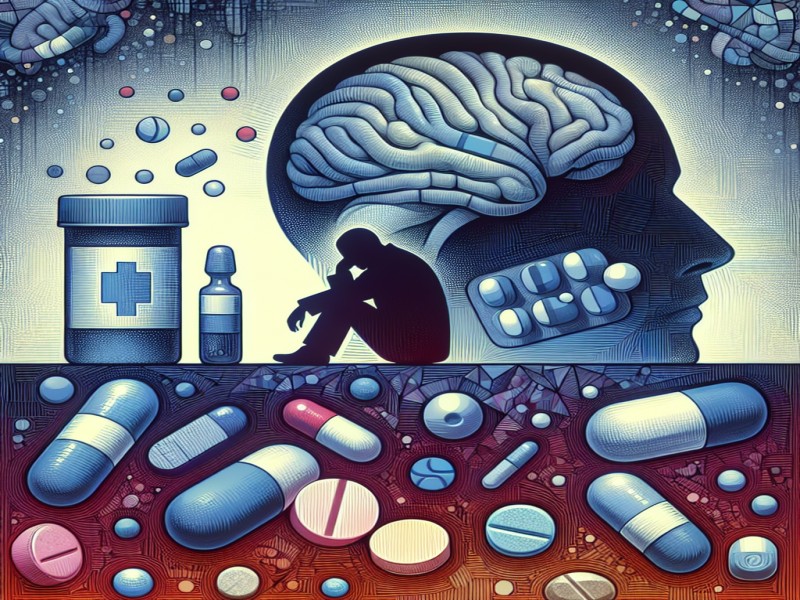
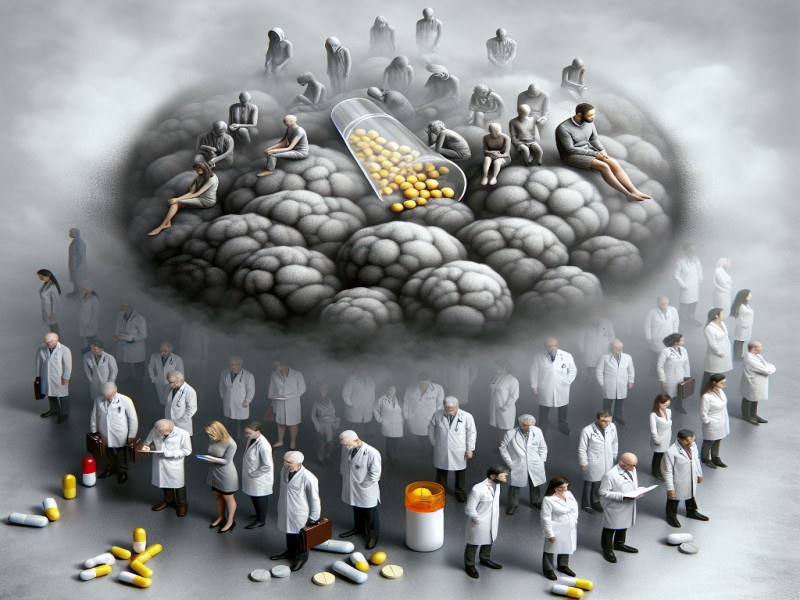
Article image generated by artificial intelligence
During the study, researchers analyzed electronic medical records of over 5,100 adult patients diagnosed with "major depressive disorder," stored in the database of the National Health Service of the United Kingdom. The Maudsley Prescribing Guidelines—an authoritative guide for prescribing psychiatric medications—were used to identify treatment-resistant depression. According to these criteria, resistance was diagnosed in patients who took two different antidepressants at therapeutic doses for 4-6 weeks but did not experience improvement. If no other medications or adjunctive treatments (such as lithium) were prescribed afterward, the condition was classified as treatment-resistant.
The study's results not only revealed a widespread prevalence of resistance but also showed that this group of patients faces more severe consequences of the illness. Compared to those whose depression is treatable, individuals with resistance more frequently suffer from anxiety disorders (30.8% vs. 24.5%), psychosis (15.03% vs. 8.3%), substance abuse (20.85% vs. 18.17%), and self-harm (2.7% vs. 0.9%). Additionally, they exhibit a higher prevalence of chronic physical illnesses, including cardiovascular and respiratory disorders, as well as diabetes.
Particularly concerning was the fact that the average age of death for patients with antidepressant resistance was found to be five years lower than for those who responded to treatment. According to the study's authors, one reason for this is the additional level of hopelessness experienced by individuals who do not respond to standard therapy. Patients participating in the study described their condition as "absolute despair" and reported feeling helpless after numerous attempts to find an effective medication.
Researchers emphasize that the current medication strategy, based on trial and error, is insufficiently effective. Clinicians often adhere to the principle of "trying all available medications," but this does not always benefit patients. The researchers urge a change in approach, expanding access to alternative treatment methods, including psychotherapy, neuromodulation, and individually tailored combinations of therapy.
We and selected third parties use cookies or similar technologies for technical purposes and, with your consent, for other purposes (“basic interactions & functionalities” and “measurement”) as specified in the Cookie policy.
You can freely give, deny, or withdraw your consent at any time.
You can consent to the use of such technologies by using the “Accept” button. By closing this notice, you continue without accepting.
 TGLIST.COM.UA
Comments
No comments
Add Comment