The modified virus carries special molecules to the surface of cancer cells, provoking an immune attack.
Scientists have developed an innovative technique that allows the immune system to recognize tumors as foreign organs, which can lead to their destruction or growth cessation. This approach has already demonstrated positive results in trials on monkeys and humans.
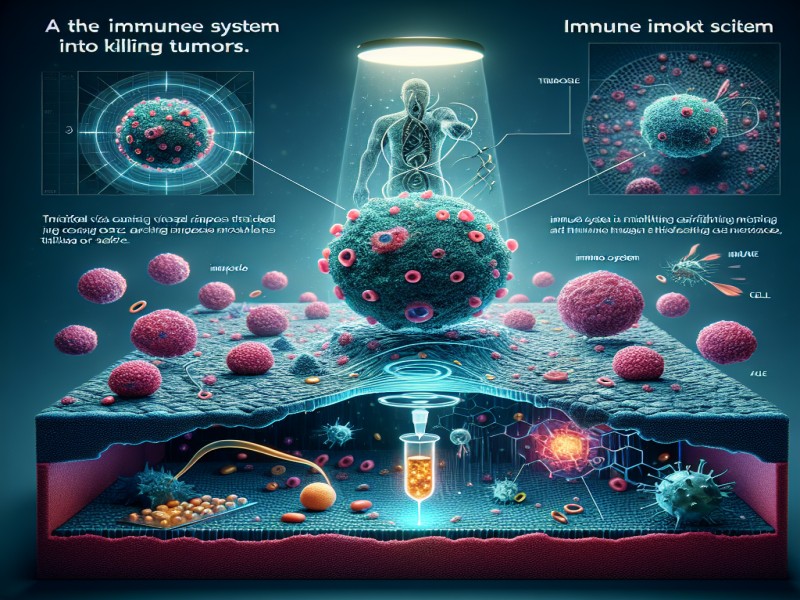
Article image generated by artificial intelligence
The technique is based on the use of modified viruses that make cancer cells mimic pig tissues. This triggers a powerful immune response similar to the body's reaction to pig organ transplants, explained immunologist Brian Lichty from McMaster University in Canada. The human immune system actively attacks foreign sugar molecules on the surface of pig cells, leading to rapid transplant rejection. By utilizing this feature, researchers modified the Newcastle disease virus, which is dangerous to birds in its natural environment but safe for humans. It was programmed to carry an enzyme that adds these sugar molecules to the surface of cancer cells, provoking an immune attack.
Experiments showed that monkeys with liver cancer who received this virus lived significantly longer compared to the control group, which was given only saline. Of the five monkeys that received the virus, none died within six months after treatment, while all five in the control group died on average after four months.
Human trials included 23 patients with various treatment-resistant types of cancer, such as liver, esophageal, colorectal, ovarian, lung, skin, and cervical cancer. Two years after the treatment began, tumors in two individuals shrank, five stopped growing, and in some cases, tumor growth temporarily halted but later resumed. Only two participants showed no noticeable improvement, and another two withdrew from the study before its completion.
This method has sparked interest among specialists, but they cautioned that it is still early to discuss its definitive effectiveness. Brian Lichty believes that such therapy could have broad potential as it can trigger a sustained immune response. At the same time, some scientists, such as Masmudur Rahman from Arizona State University, emphasize the need for further research to determine which patients may benefit the most from the treatment.
Moreover, researchers are discussing the possibility of combining this therapy with other drugs that enhance the immune response to increase its effectiveness. However, questions remain about the safety of using the virus in clinical practice, including potential impacts on healthy tissues and possible infection of wild or domestic birds. Researchers have not recorded such cases but continue to study this possibility.
If further trials confirm the safety and effectiveness of the method, it could open a new avenue in cancer treatment and significantly improve the prognosis for patients with various forms of the disease.
We and selected third parties use cookies or similar technologies for technical purposes and, with your consent, for other purposes (“basic interactions & functionalities” and “measurement”) as specified in the Cookie policy.
You can freely give, deny, or withdraw your consent at any time.
You can consent to the use of such technologies by using the “Accept” button. By closing this notice, you continue without accepting.
 TGLIST.COM.UA
Comments
No comments
Add Comment