It makes you think about valuing every day spent with a pet.
A large-scale study was conducted in the United Kingdom, revealing the average life expectancy of various common cat breeds. The study was based on veterinary data from nearly 8,000 domestic cats that passed away in the country between January 2019 and March 2021.
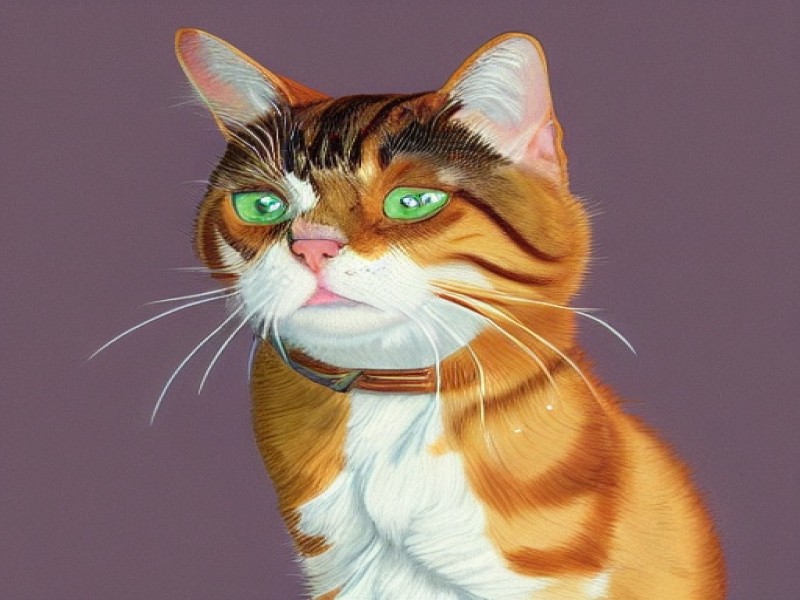
Article image generated by artificial intelligence
Scientists created special tables estimating the remaining expected lifespan of an animal based on its current age. They excluded individuals that died before reaching that age. This allows for a more accurate consideration of various age factors and provides a statistically more significant assessment.
When discussing life expectancy at birth, cats in the United Kingdom have an average lifespan of 11.7 years. On average, mixed-breed cats live one and a half years longer than purebreds. The breeds with the highest life expectancy are the Burmese and Burmilla, both averaging 14.4 years.
The shortest lifespan is found in Sphynx cats, averaging only 6.7 years. This may be related to a genetic predisposition to heart diseases and other health issues. Besides breed, other factors also affect the lifespan of cats, which were considered in the study.
Average Life Expectancy of Cats at Birth:
Burmese - 14.42 years (maximum - 21.29 years).
Birman - 14.39 years (maximum - 22.25 years).
Mongrels - 11.89 years (maximum - 26.69 years).
Siamese - 11.69 years (maximum - 21.48 years).
Persian - 10.93 years (maximum - 21.68 years).
Ragdoll - 10.31 years (maximum - 21.34 years).
Norwegian Forest - 9.95 years (maximum - 19.05 years).
Maine Coon - 9.71 years (maximum - 21.61 years).
Russian (including Blue) - 9.65 years (maximum - 19.39 years).
British - 9.58 years (maximum - 22.32 years).
Bengal - 8.51 years (maximum - 21.22 years).
Sphynx - 6.68 years (maximum - 14.67 years).
It was found that females live on average 1.3 years longer than males, and spayed and neutered cats can live 1.1 years longer. Researchers also suggested that certain household characteristics might influence lifespan: some cats live exclusively indoors, while others roam outside. However, it is impossible to consider this factor with the available data set, as veterinary clinics did not record such information.
The authors of the study believe that their research will assist veterinarians and cat owners in making important decisions regarding the purchase, treatment, or euthanasia of their pets. Additionally, taking into account the data on cat lifespans encourages a greater appreciation for every day spent with beloved companions.
A similar study regarding the lifespan of dogs was conducted earlier.
We and selected third parties use cookies or similar technologies for technical purposes and, with your consent, for other purposes (“basic interactions & functionalities” and “measurement”) as specified in the Cookie policy.
You can freely give, deny, or withdraw your consent at any time.
You can consent to the use of such technologies by using the “Accept” button. By closing this notice, you continue without accepting.
 TGLIST.COM.UA
Comments
No comments
Add Comment