The rapid development of neural networks like ChatGPT will inevitably impact the employment structure. This is confirmed by experts in human resources and information technology. Artificial intelligence is already being utilized by some major companies.
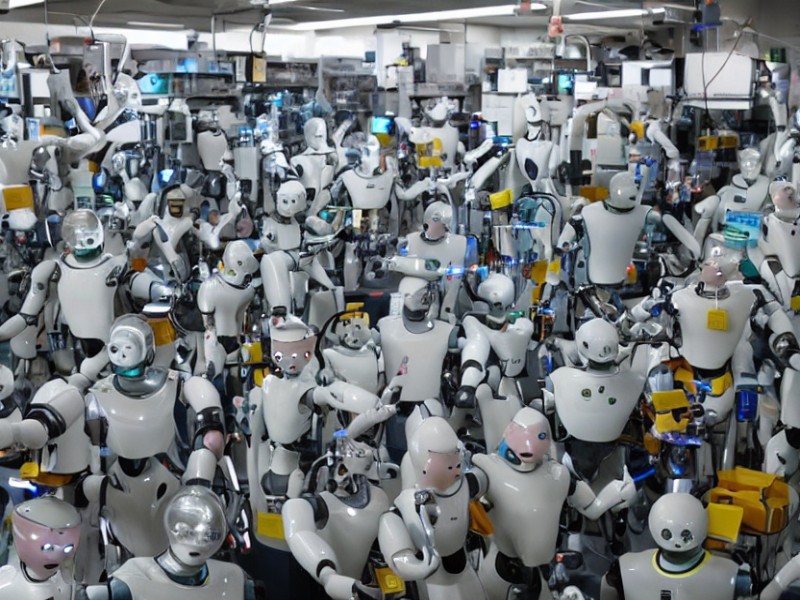
Article image generated by artificial intelligence
In particular, Amazon has been satisfied with ChatGPT's performance in answering customer inquiries. The company has also used the neural network to create training materials and in processing corporate strategy. Meanwhile, IBM and the British telecommunications giant BT Group cut some jobs last year, citing the use of AI services.
A Goldman Sachs study showed that generative artificial intelligence tools could affect 300 million workers worldwide. This will lead to significant shifts in the job structure. An analysis by consulting firm McKinsey indicates that by 2030, nearly 12 million people in the U.S. will need to change jobs, particularly due to the implementation of neural networks.
Business Insider conducted its own research involving experts from various sectors of the economy. This resulted in a list of ten professions whose holders are most likely to be replaced by artificial intelligence in the coming years.
At risk are IT specialists (developers, programmers, data analysts), media workers (advertisers, journalists), lawyers, marketing analysts, teachers, financial consultants, traders, graphic designers, accountants, and support specialists.
Experts note that the advantage of neural networks over humans in these professions is their ability to quickly process large amounts of text and numbers, learn, and generate content based on specific queries. It is emphasized that AI will not operate entirely without the oversight of specialists, but a project that previously required ten programmers could now be handled by just two or three, and financial and legal firms may be able to eliminate many junior assistant positions.
We and selected third parties use cookies or similar technologies for technical purposes and, with your consent, for other purposes (“basic interactions & functionalities” and “measurement”) as specified in the Cookie policy.
You can freely give, deny, or withdraw your consent at any time.
You can consent to the use of such technologies by using the “Accept” button. By closing this notice, you continue without accepting.
 TGLIST.COM.UA

Comments
No comments
Add Comment