Tecnología
Lawmakers Seek Ban on Large AI Data Centers
2 min de lectura
29.03.2026
Sanders and Ocasio-Cortez propose pausing new data centers over 20 MW until Congress enacts comprehensive AI regulation.
Senators Propose Temporary Ban on Large Data Centers Amid AI Regulation Push
Image Credits: Drew Angerer / Getty Images
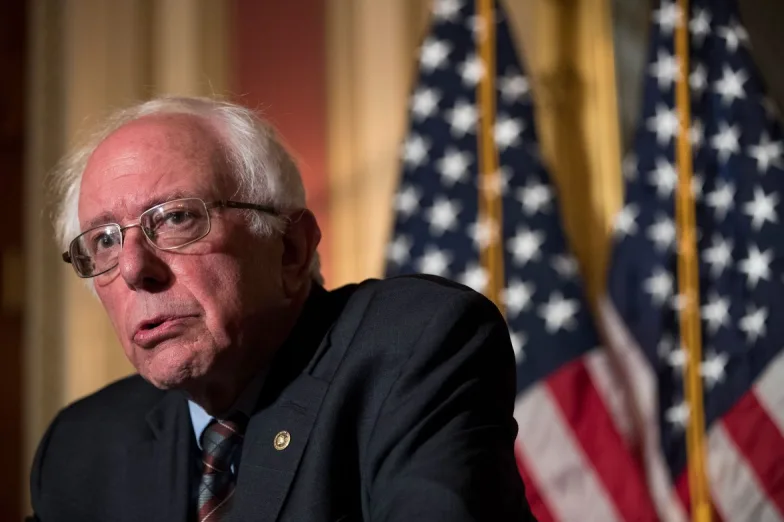
Two prominent lawmakers are moving to curb the rapid expansion of data center infrastructure that supports artificial intelligence (AI). Senator Bernie Sanders (D-VT) and Representative Alexandria Ocasio-Cortez (D-NY) introduced companion bills to suspend construction of new data centers with peak power loads exceeding 20 megawatts until Congress passes comprehensive AI regulation.
What the legislation would do
The proposed moratorium targets large-scale data centers tied to AI training and inference, effectively pausing projects that require very high energy consumption. Key provisions the lawmakers seek include:
- Required federal review and certification of advanced AI models before public release.
- Protections against AI-driven job displacement, including transition and retraining programs.
- Limits on the environmental impact of data center infrastructure and stronger sustainability standards.
- Requirements for union labor on construction of covered facilities.
- Restrictions on exporting advanced AI chips to countries that lack comparable AI governance.
Why lawmakers are acting now
Rapid growth in data center construction across the United States has drawn public attention for its energy use, local impacts, and role in accelerating AI development. The bill's sponsors cite growing calls from prominent tech figures for stronger guardrails on AI — including warnings from Elon Musk, DeepMind's Demis Hassabis, Anthropic's Dario Amodei, OpenAI's Sam Altman, and AI researcher Geoffrey Hinton.
"AI is far more dangerous than nukes," a quote often cited by proponents of tougher AI oversight to illustrate the perceived existential risks.
Public opinion and political hurdles
A March Pew Research poll found most Americans feel more concerned than excited about AI; only about 10% said excitement outweighed concern. Still, the path to passing such legislation faces significant obstacles. AI companies and related industries are spending heavily on lobbying, and national security concerns — including competition with China in AI and chip technology — complicate efforts to limit data center expansion or chip exports.
Broader implications
Observers view this bill as an opening proposal for how the United States might regulate AI, touching on model certification, labor protections, environmental limits, and export controls. If enacted, the legislation could reshape data center planning, regional economic development, and the governance of AI model deployment.
How lawmakers, tech companies, and regulators respond in the coming months will determine whether the moratorium becomes a temporary pause or a catalyst for broader federal AI policy.
 TGLIST.COM.UA
Comentarios
Sin comentarios
Agregar Comentario